
What Are Pig Butchering Scams and How Can You Avoid Them?
- Other Scams
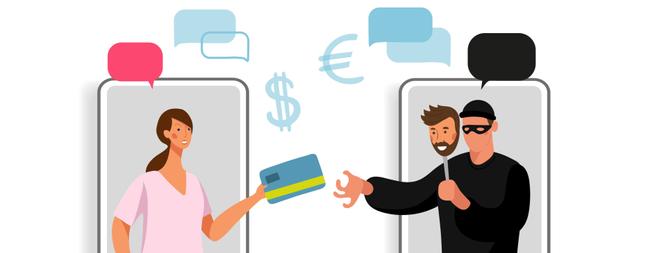
In the vast landscape of online scams, there’s a particularly insidious category known as “pig butchering scams” — alluding to the practice of fattening pigs up before taking them to be butchered.
These scams involve scammers gaining a person’s trust, often through highly deceitful tactics like catfishing, before convincing them to send money or invest in fraudulent schemes.
Pig butchering scams can take various forms, including romance scams, digital currency scams, and more.
What Are Pig Butchering Scams?
Pig butchering scams are essentially manipulative schemes where fraudsters prey on individuals’ emotions, vulnerabilities, or desires, exploiting them for financial gain.
The term “pig butchering” is used metaphorically to depict how scammers ruthlessly extract money from their victims, leaving them financially and emotionally drained.
These scams often involve building a fake, trusting relationship with the victim, often over a long period of time, only to later betray their trust by requesting money, investments, or personal information.
Types of Pig Butchering Scams
Romance Scams
Romance scams are perhaps the most well-known form of pig butchering scams. In these scams, fraudsters create fake online dating profiles or social media profiles to engage in “romantic” relationships with unsuspecting individuals looking for love.
They invest time and effort into building trust and affection, often using stolen photos and fabricated personal stories.
Once the victim is emotionally invested, the scammer typically concocts a story about how they require financial assistance for something, such as a medical emergency, travel expenses, or urgent bills.
To avoid falling for romance scams:
- Be cautious of online relationships that escalate quickly.
- Never send money to someone you’ve only met online.
- Verify the identity of your online partner through video calls or other means.
Lottery and Prize Scams
In lottery and prize pig butchering scams, victims are invited to sign up for some kind of lottery or competition via email, phone call, or text message.
They may then have to go through a series of steps or wait a certain length of time, making the competition appear legitimate before they receive new communication informing them that they’ve won a significant sum of money or a valuable prize.
To claim their winnings, they are asked to pay taxes, processing fees, or other expenses up front. The scammers often make these offers sound enticing and urgent, pressuring victims to send money without proper verification.
To avoid lottery and prize scams:
- Be skeptical of unsolicited messages claiming you’ve won something.
- Verify the legitimacy of the lottery or contest with official sources.
- Remember that legitimate lotteries do not require winners to pay upfront fees.
Investment Scams
Pig butchering investment scams involve scammers posing as financial experts or advisors, promising high returns on investments. They often use sophisticated websites and fake credentials to appear legitimate.
Victims are persuaded to invest their money in these fraudulent schemes, only to discover that their investments have disappeared.
To avoid investment scams:
- Research and verify the credentials of any financial advisor or investment opportunity.
- Be cautious of investments that promise guaranteed, exceptionally high returns.
- Avoid making rushed investment decisions — take your time to evaluate the opportunity.
Crypto Scams
Digital currency pig butchering scams have surged along with the popularity of digital currencies. Scammers create fake crypto exchanges, wallets, or ICOs (Initial Coin Offerings) to trick individuals into sending their Digital Currency.
Victims are promised significant returns or exclusive investment opportunities that are too good to be true.
To avoid crypto scams:
- Use reputable digital currency exchanges and wallets.
- Be cautious of unsolicited offers or messages related to Digital Currency.
- Verify the legitimacy of any crypto investment opportunity.
Impersonation Scams
Impersonation scams involve scammers posing as trusted individuals, such as government officials, law enforcement officers, or utility company representatives.
They use intimidation or deceitful tactics to convince victims that they owe money or are in legal trouble and trick them into sending funds to resolve these fictitious issues.
To avoid impersonation scams:
- Verify the identity of the caller or email sender independently.
- Remember that government agencies or legitimate organizations do not demand immediate payment via phone or email.
- Report suspicious calls or messages to the relevant authorities.
Protecting Yourself from Pig Butchering Scams
Be Skeptical
Maintain a healthy level of skepticism when dealing with strangers, especially online. If something seems too good to be true or feels suspicious, it’s crucial to investigate further before taking any action. Even better, walk away from anything that seems off — trust your instincts!
Verify Identities
Before sending money or sharing personal information, take steps to verify the identity of the individual or organization you are dealing with. This can include conducting online searches, checking official websites, and using video calls for face-to-face verification when possible.
Educate Yourself
Stay informed about the latest pig butchering scams and their tactics. Knowledge is your best defense against fraud. Familiarize yourself with common red flags and warning signs associated with pig butchering scams.
Protect Personal Information
Guard your personal and financial information carefully. Avoid sharing sensitive details, such as your Social Security number, bank account information, or passwords, with anyone you don’t know and trust completely.
Use Secure Platforms
When engaging in online transactions or communication, only use reputable and secure platforms. Ensure that websites are encrypted (look for “https” in the URL) and only download apps or software from trusted sources.
Enable Two-Factor Authentication
Implement two-factor authentication (2FA) wherever possible to add an extra layer of security to your online accounts.
This makes it more difficult for scammers to gain unauthorized access, even if you fall for a pig butchering scam and provide them with a password or other sensitive info.
Final Words
Pig butchering scams are a distressing reality of the digital age, preying on individuals’ emotions, trust, and vulnerabilities.
Falling victim to a pig butchering scam can feel particularly bad if someone you thought you could trust, such as a potential romantic partner, turns out to be a scammer.
By following the tips outlined in this article and always exercising caution in your online interactions, you can significantly reduce the risk of falling victim to pig butchering scams.